Destinations
Where to go in Korea
Start with the places first-time visitors ask about most, then branch out.
The country, at a glance
25 places across Korea
Hover a region to see its name, or click through to search it on the map further down the page.
Administrative boundaries: KOSTAT via southkorea-maps (KOGL Type 1). Click a region to search it on the map below.
Major cities
The 10 places most visitors start with
Lesser-known places
Worth a look once you’ve seen the big cities
National Parks of South Korea
All 23, from Hallasan to Bukhansan
Full guides, with photos
Gyeongsang
Busan부산
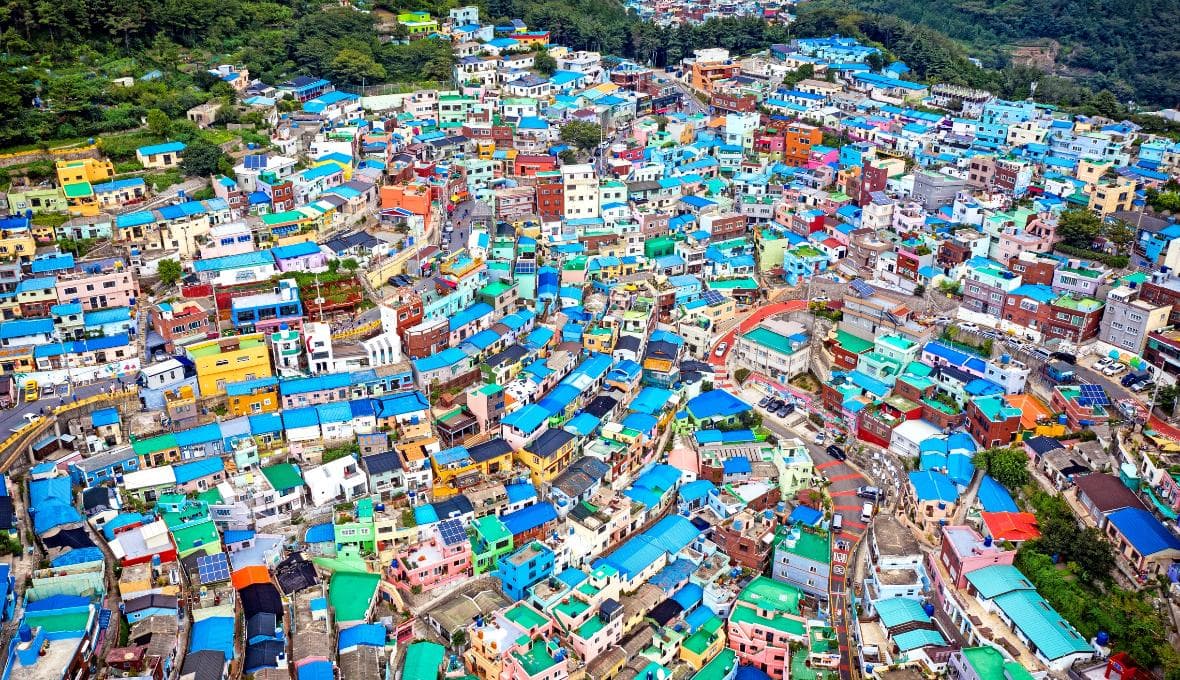
Korea's second city and biggest port — beaches, a hillside mural village, raw fish markets, and mountain temples.
Jeju Island
Jeju제주
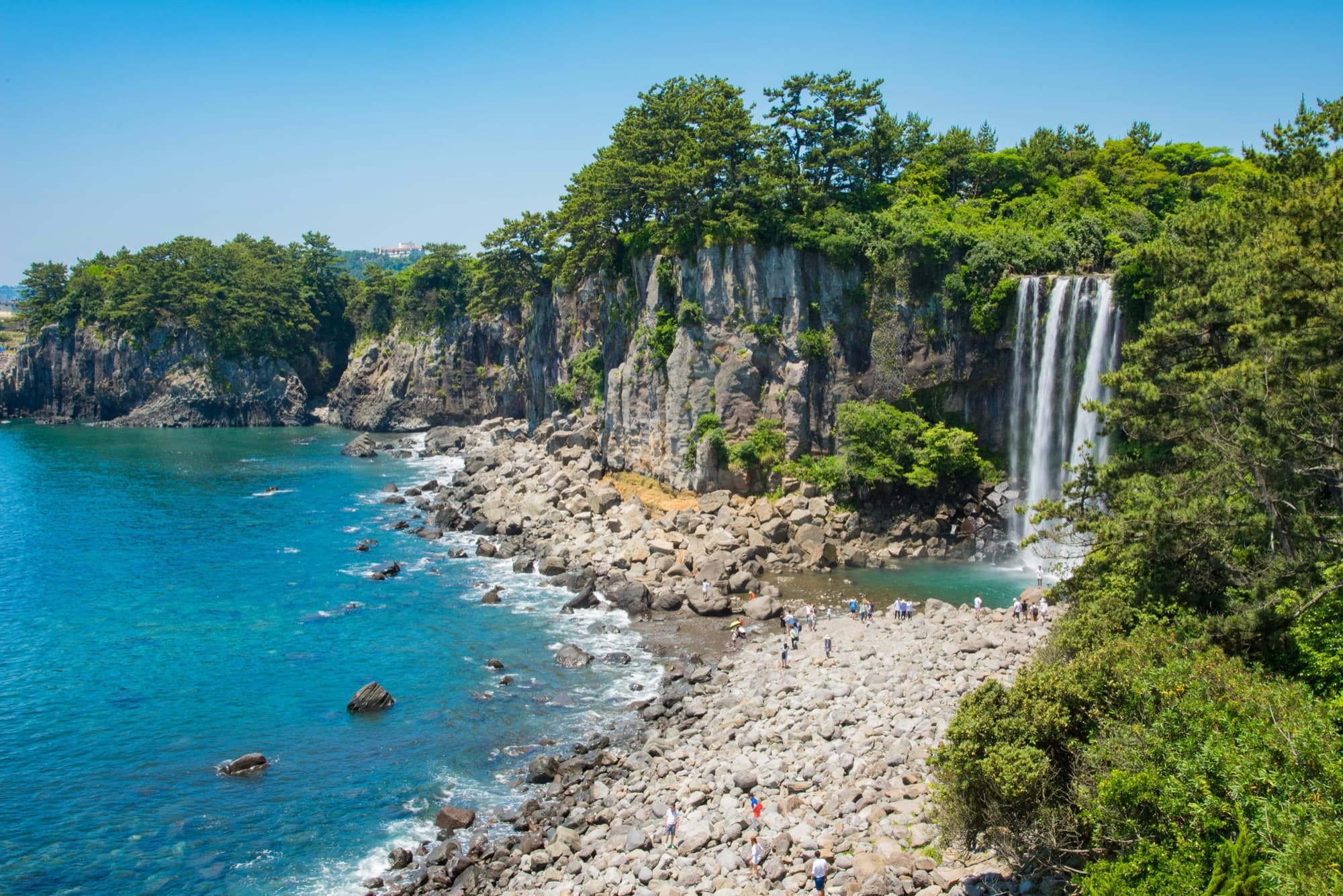
A volcanic island of craters, lava tubes, waterfalls, and coastal walking paths — Korea's favourite domestic holiday.
Gyeongsang
Gyeongju경주
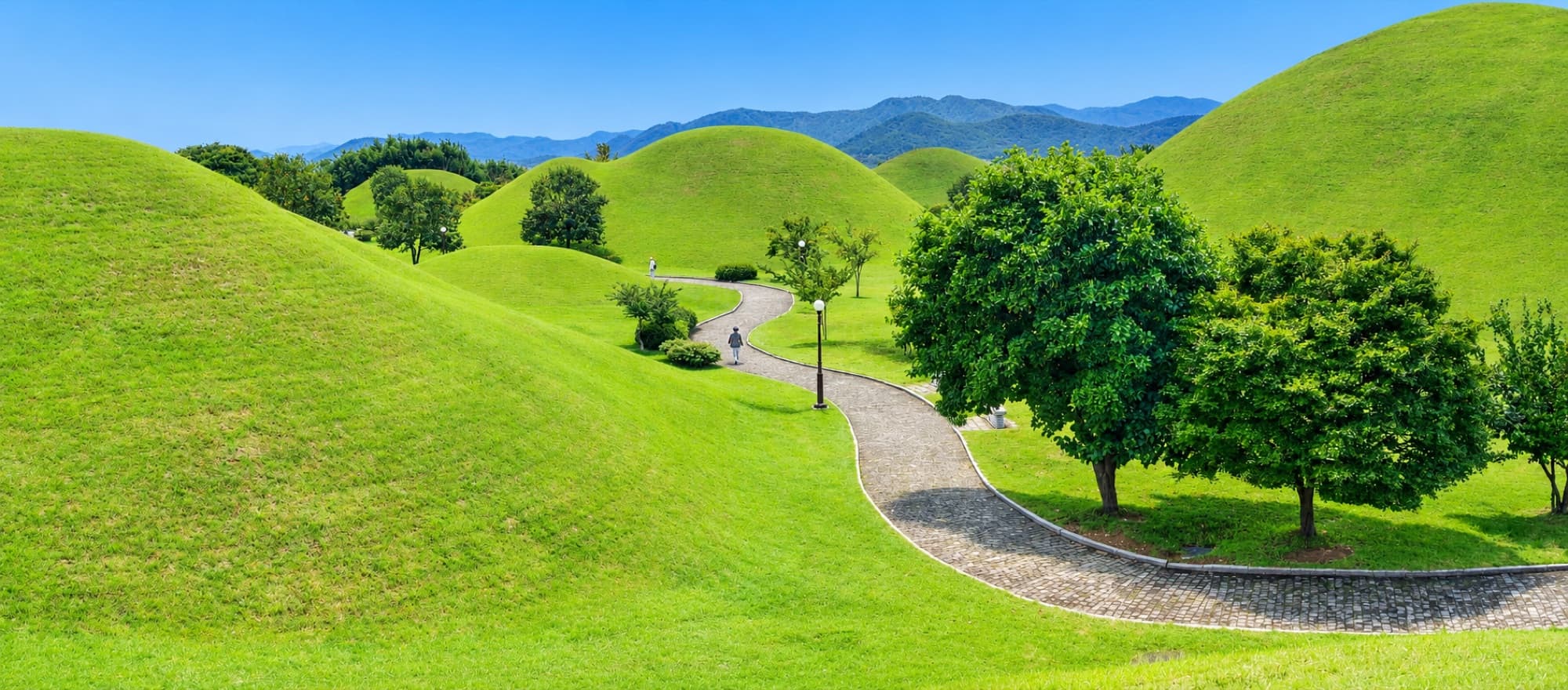
The thousand-year capital of the Silla kingdom — grass burial mounds, a hilltop observatory, and a UNESCO temple and grotto.
Jeolla
Yeosu여수
A south-coast city built for its own famous song — Yeosu Night Sea — with a cable car over the water and some of Korea's best seafood.
Gyeongsang
Yeongju영주시
A small North Gyeongsang city built around two UNESCO World Heritage sites, ancient Buseoksa Temple and Korea's first Confucian academy, plus its fame for ginseng and apples.
Gyeongsang
Yeongdeok영덕군
A quiet East Sea fishing county famous nationwide for its snow crab, dramatic coastal trails, and small fishing ports like Ganggu and Hupo.
Gyeongsang
Daegu대구
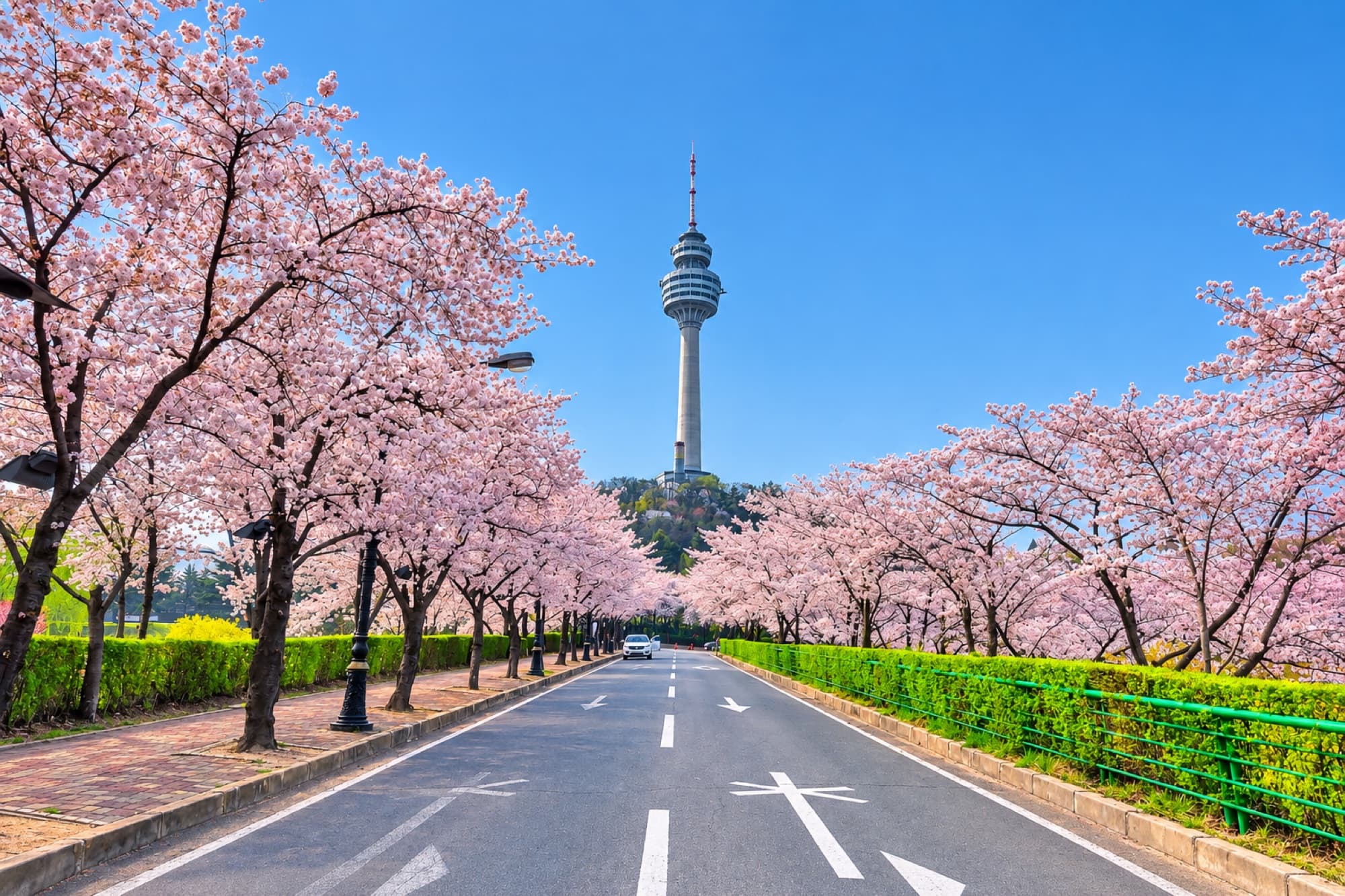
Korea's fourth-largest city — a market-going, mountain-ringed city in the southeast known for spicy local food and blazing summer heat.
Jeolla
Damyang담양
Korea's most famous bamboo forest — eight trails through 300,000 square metres of it, just outside Gwangju.
Gangwon
Chuncheon춘천
A lake city close enough to Seoul for an easy day trip — dakgalbi, Nami Island, and a train ride that's part of the appeal.
Chungcheong
Danyang단양
A small lake town surrounded by three national parks and Korea's most striking limestone caves.
Seoul Capital Area
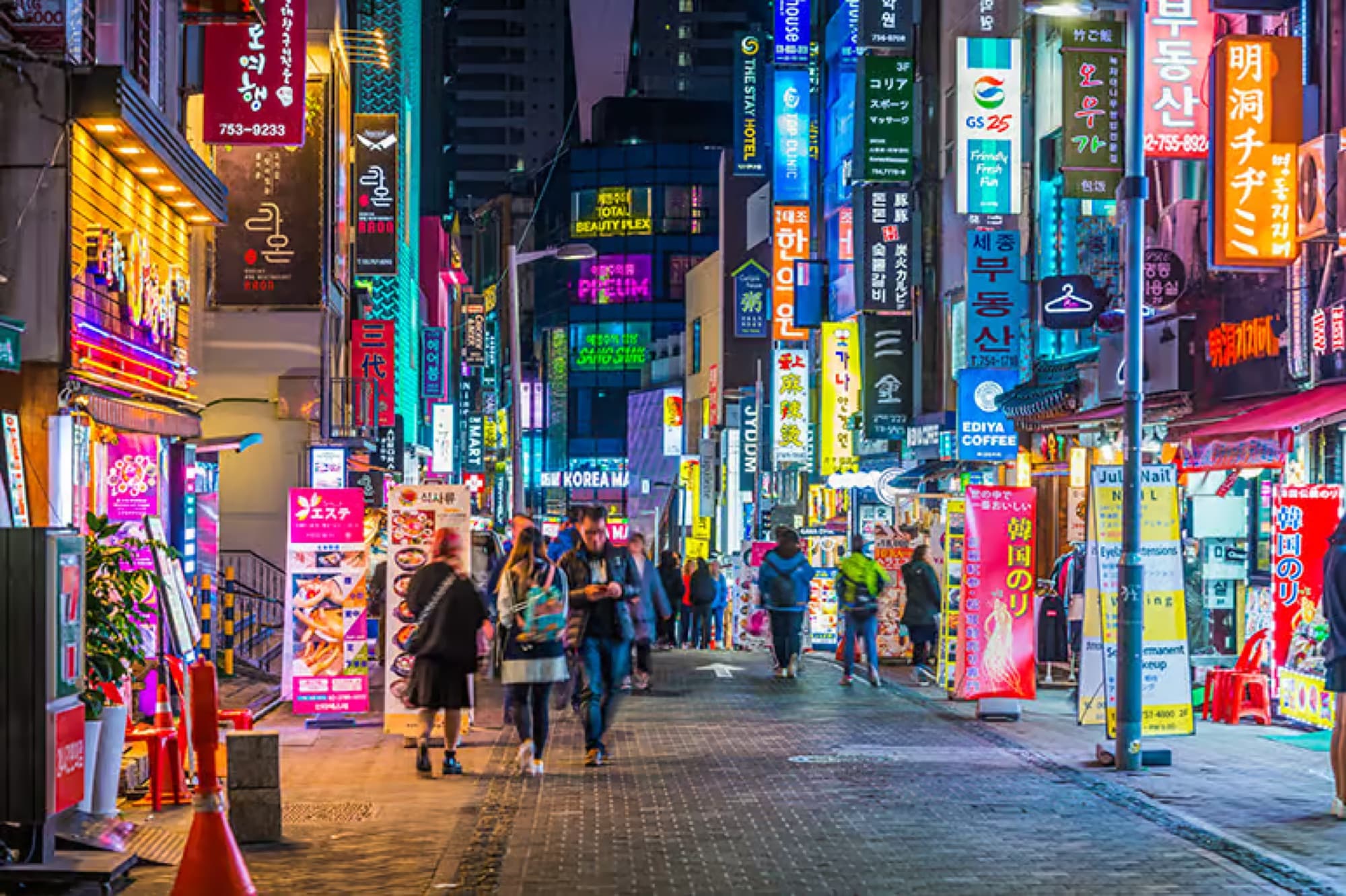
Seoul서울
Korea's capital: palaces and street food, 24-hour neighbourhoods, and mountains you can hike between subway stops.
Gangwon
Yeongwol영월
A mountain and river county in Gangwon known for the exiled King Danjong's tomb, limestone caves, and some of Korea's darkest skies for stargazing.
Jeolla
Muju무주
A mountain county centered on Deogyusan National Park, home to one of Korea's top ski resorts and a firefly festival marking its unusually clean valleys.
Seoul Capital Area
Paju파주
A Gyeonggi border city known for DMZ and Imjin River sights near the North Korean border, alongside the planned art and publishing communities of Heyri and Book City.
Seoul Capital Area
Gapyeong가평
A mountain-and-river county best known as the gateway to Nami Island, home to Petite France, the Garden of Morning Calm, and the Jarasum Jazz Festival.
Seoul Capital Area
Goyang고양
A large planned city built around the new town of Ilsan, known for Ilsan Lake Park, the KINTEX convention center, and the historic Haengju Fortress battle site.
Seoul Capital Area
Yongin용인
Home to Everland, Korea's largest theme park, and the Korean Folk Village, Yongin is a fast-growing Gyeonggi city now also emerging as a major semiconductor manufacturing hub.
Seoul Capital Area
Namyangju남양주
A hilly riverside city on Seoul's northeastern edge known for the UNESCO-listed tombs of Korea's last emperors, the birthplace of scholar Jeong Yak-yong, and export-quality pear orchards.
Gangwon
Sokcho속초
The gateway to Seoraksan, Korea's most dramatic mountain — plus a fishing-village atmosphere and some of the best raw fish on the east coast.
Gangwon
Gangneung강릉
Korea's coffee capital — 40-odd cafés along one beach, plus historic houses and an east-coast beach-town pace.
Gyeongsang
Andong안동
Korea's most traditional city — a 600-year-old clan village, mask dances, and Confucian heritage that's mostly skipped by first-time visitors.
Jeolla
Jinan진안
A highland county in Jeollabuk-do known for the twin granite peaks of Maisan, a hillside of hand-stacked stone pagodas, and prized red ginseng.
Jeolla
Gokseong곡성
A rural Jeollanam-do county along the Seomjin River, known for a steam-train tourist village and a large annual rose festival.
Jeolla
Suncheon순천
Korea's best-known wetland — vast reed fields and mudflats that are home to rare migratory birds, next to one of the country's largest gardens.
Jeolla
Mokpo목포
A port city at Korea's southwestern tip — a free clifftop skywalk, a cable car over the harbour, and a well-preserved Japanese-colonial-era old town.
Jeolla
Wando완도
Korea's seaweed and abalone capital, a southern archipelago county built around Jang Bogo's ninth-century trading port and the slow-paced island of Cheongsando.
Jeolla
Jindo진도
An island county famous for its biannual sea-parting tidal land bridge, the loyal white Jindo dog, and a decisive 1597 naval battle.
Gangwon
Jeongseon정선군
A mountainous Gangwon county known for its rail bike, five-day Arirang market, a cliffside glass skywalk, and Kangwon Land, Korea's only casino open to its own citizens.
Gyeongsang
Geoje거제
A rocky, island-studded coastline near Busan — a windmill on a hilltop, a botanical island garden, and a dramatic rock promontory.
Jeolla
Boseong보성
Korea's best-known green tea fields — rolling terraces you can walk right through, green year-round.
Jeolla
Haenam해남
The mainland's southernmost county, known for the Ttangkkeut "Land's End" viewpoint, ancient mountain temples, and its red-clay sweet potatoes and winter cabbage.
Seoul Capital Area
Yeoju여주시
A Gyeonggi city on the Namhan River known for King Sejong's UNESCO-listed tomb, the riverside Silleuksa temple, and a ceramics tradition shared with neighboring Icheon.
Gangwon
Samcheok삼척시
A Gangwon coastal city famous for Korea's longest limestone cave, quiet East Sea beaches, a coastal railbike course, and the folklore-driven Haesindang ‘Penis Park.’
Chungcheong
Yesan예산군
A quiet Chungcheong farming county known for its apple orchards, Korea's oldest wooden building at Sudeoksa temple, and its native son, calligrapher Chusa Kim Jeong-hui.
Chungcheong
Buyeo부여
The last capital of the Baekje kingdom before it fell in 660 AD — temple ruins, royal history, and a large open-air heritage park.
Gangwon
Pyeongchang평창
Host of the 2018 Winter Olympics — Korea's biggest ski resorts, and high mountain scenery in every season.
Gangwon
Yangyang양양
Korea's surf town — a dedicated surfing beach, a beachfront café scene, and one of the east coast's best-loved temples.
Chungcheong
Jecheon제천
A lakeside base for exploring Cheongpung Lake and the cave country around neighbouring Danyang.
Jeolla
Gangjin강진
A quiet bayside county known as Korea's historic center of Goryeo celadon production and as scholar Jeong Yak-yong's long place of exile.
Gyeongsang
Mungyeong문경
A mountain town built around Mungyeong Saejae, the best-preserved stretch of the old Joseon-era road between Seoul and Busan.
Seoul Capital Area
Ganghwa강화군
A historic island guarding the approach to Seoul, layered with Bronze Age dolmens, a former Goryeo wartime capital, and Korea's oldest Buddhist temple.
Seoul Capital Area
Incheon인천
Korea's main international gateway and third-largest city, home to Incheon International Airport, a historic port and Chinatown, and the futuristic Songdo district.
Jeolla
Gwangju광주
The biggest city in Korea's southwest — a base for contemporary art and design, with a mountain of stone pillars on its doorstep and a history tied to Korea's democracy movement.
Chungcheong
Gongju공주
One of the Baekje kingdom's ancient capitals — royal tombs, a river fortress, and a free national museum.
Gyeongsang
Uljin울진
A rugged coastal county famous as Korea's biggest snow crab supplier, with hot springs, sea cliffs, and a new glass skywalk.
Gangwon
Taebaek태백시
A former coal-mining boomtown at South Korea's highest elevation, Taebaek today draws visitors for Taebaeksan's ridgelines, its mining heritage, and a beloved winter snow festival.
Gangwon
Hongcheon홍천군
Korea's largest county by area, Hongcheon is a forested inland Gangwon retreat built around the Hongcheon River, known for ski resorts, hot springs, and hanwoo beef.
Gangwon
Goseong고성군
Gangwon's northeasternmost county, a quiet DMZ-adjacent coastline where a Unification Observatory looks toward Mount Geumgang and Cold War-era presidential villas sit side by side at Hwajinpo.
Jeolla
Gunsan군산
A port city with the country's best-preserved Japanese-colonial-era streets — a fishing village turned port turned open-air history museum.
Gangwon
Inje인제군
A mountainous, sparsely populated Gangwon county built around Naeseorak (inner Seoraksan), popular for winter ice fishing, rafting, bungee jumping, and its famous birch forest.
Chungcheong
Daejeon대전광역시
Daejeon is a major science and transit hub in central Korea, home to Expo Park, the Daedeok Innopolis research district, hot springs, and the beloved Sungsimdang bakery.
Chungcheong
Cheongju청주
Cheongju is North Chungcheong's provincial capital, known worldwide as the birthplace of the world's oldest movable-metal-type printed book, Jikji.
Chungcheong
Chungju충주
Chungju is a North Chungcheong lake town built around a massive reservoir and dam, known for apples, mountain scenery, and a historic battlefield.
Chungcheong
Cheonan천안
Cheonan is a major transit hub south of Seoul best known for the Independence Hall of Korea and its walnut-shaped hodu-gwaja pastries.
Gyeongsang
Miryang밀양시
A South Gyeongsang city famous for the historic Yeongnamnu Pavilion, the Miryang Arirang folk song, and mountain valleys like Eoreumgol, or 'Ice Valley.'
Gyeongsang
Hapcheon합천
Home to Haeinsa Temple, a UNESCO World Heritage site that has safeguarded the Tripitaka Koreana's Buddhist woodblocks for nearly 800 years.
Gyeongsang
Ulleungdo울릉도
A remote volcanic island reachable only by ferry, known for dramatic sea cliffs, squid fishing, and the crater-plain of Nari Basin.
Chungcheong
Asan아산
Asan is a South Chungcheong spa city famous for its centuries-old Onyang hot springs, a preserved Joseon-era folk village, and major electronics manufacturing.
Chungcheong
Boryeong보령
Boryeong is a Yellow Sea coastal city famous worldwide for the Boryeong Mud Festival and its long, gently sloping Daecheon Beach.
Chungcheong
Seosan서산
Seosan is a South Chungcheong coastal city known for a Baekje-era rock-carved Buddha triad, a well-preserved Joseon fortress town, and Catholic pilgrimage history.
Jeolla
Sunchang순창군
A small mountain county in North Jeolla Province renowned across Korea as the spiritual home of gochujang and traditional fermented sauces.
Jeolla
Jeongeup정읍시
A North Jeolla city best known as the gateway to Naejangsan National Park, one of Korea's most celebrated spots for autumn foliage.
Jeolla
Gurye구례군
A small South Jeolla county serving as the main gateway to Jirisan National Park, known for Hwaeomsa Temple and its spring sansuyu flower blossoms.
Gyeongsang
Ulsan울산광역시
A major industrial port metropolis on Korea's southeast coast, home to the world's largest shipyard and automobile plant alongside ancient whale-hunting rock art and river parklands.
Gyeongsang
Gimhae김해시
The ancient capital of the Geumgwan Gaya confederacy in South Gyeongsang Province, home to royal tombs, a national museum devoted to Gaya history, and Korea's main international airport hub for Busan.
Gyeongsang
Sangju상주
An agricultural city on the Nakdong River best known for its dried persimmons, cycling paths, and deep historical roots in the Gyeongsang region.
Chungcheong
Taean태안
A coastal county on Korea's west coast, built around its beaches, Taeanhaean National Park, and a spring tulip festival that draws visitors from across the country.
Gyeongsang
Changwon창원시
A large planned industrial city on Korea's south coast, formed by a 2010 merger with Masan and Jinhae, famous for heavy manufacturing and Jinhae's spring cherry blossoms.
Gangwon
Wonju원주시
Gangwon's largest city and a gateway to Chiaksan National Park, known for the Tadao Ando-designed Museum SAN and a converted rail-trail bike path.
Gangwon
Donghae동해시
An east coast port city known for its working harbor, limestone caves, and beaches, formed in 1980 from the merger of Mukho and Bukpyeong.
Jeolla
Jeonju전주
Korea's food capital — 800 traditional hanok houses in one walkable village, and the birthplace of bibimbap.
Gyeongsang
Tongyeong통영
Nicknamed "Korea's Naples" — a harbour town of islands, cable cars, oysters, and a painted hillside village.
Chungcheong
Dangjin당진시
An industrial port city on Korea's west coast known for steelmaking, wide rice plains, coastal sunset spots, and a UNESCO-listed traditional tug-of-war ritual.
Jeolla
Iksan익산시
A former Baekje capital in North Jeolla now known as a major rail junction, home to the UNESCO-listed Mireuksa temple site and Korea's largest stone pagoda.
Jeolla
Namwon남원시
A North Jeolla city known as the setting of Korea's classic Chunhyang love story, its Gwanghallu Garden, and its role as the main gateway to Jirisan National Park.
Jeolla
Buan부안군
A West Sea coastal county in North Jeolla centered on Byeonsanbando National Park, known for dramatic coastal cliffs, tidal flats, and its Gomso jeotgal market.
Jeolla
Gochang고창군
A North Jeolla farming county famous for its UNESCO-listed prehistoric dolmen fields, a well-preserved Joseon fortress, and its spring barley and green tea fields.
Seoul Capital Area
Suwon수원
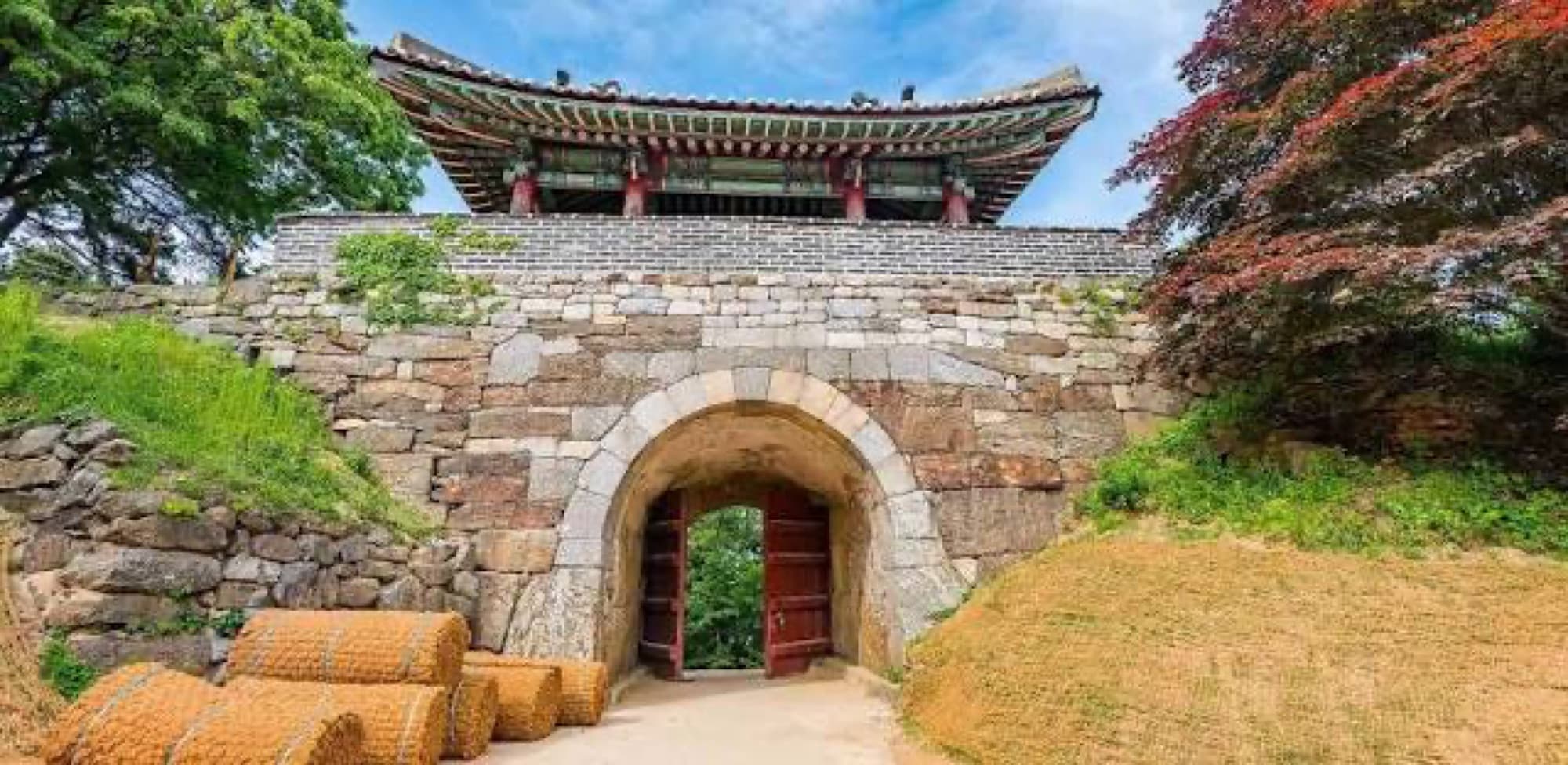
A UNESCO fortress city close enough to Seoul for a half-day trip — a 5.7 km Joseon-dynasty wall you can walk almost the whole way around.
Gyeongsang
Pohang포항
Korea's earliest sunrise, on the east coast — a steel city with a genuinely dramatic stretch of coastline just outside it.
Gyeongsang
Jinju진주
A riverside fortress city that transforms every October into one of Korea's best-known lantern festivals.
Gyeongsang
Namhae남해
An island of terraced rice paddies cascading into the sea, plus an unlikely village of German-style houses.
Explore the map
Search anywhere in Korea
Not sure what you’re looking for? Search a city, neighbourhood, mountain, or beach — anywhere in the country.
High-speed (KTX / SRT)
- Gyeongbu Line (KTX/SRT)
- Honam Line (KTX)
- Gyeongjeon Line spur (KTX, to Jinju)
- Gyeonggang Line (KTX, to Gangneung)
Conventional / ITX
- Jungang Line (KTX-Eum / ITX-Maum, to Andong)
- Jeolla Line (KTX, to Yeosu)
- Donghae Line spur (KTX, to Pohang)
- Gyeongchun Line (ITX-Cheongchun, to Chuncheon)