Sobaeksan means ‘little white mountain’, set against Taebaeksan, the ‘great white mountain’ further north along the same range. It became Korea’s eighteenth national park in 1987 and covers 322 km² across the border between North Chungcheong and North Gyeongsang.
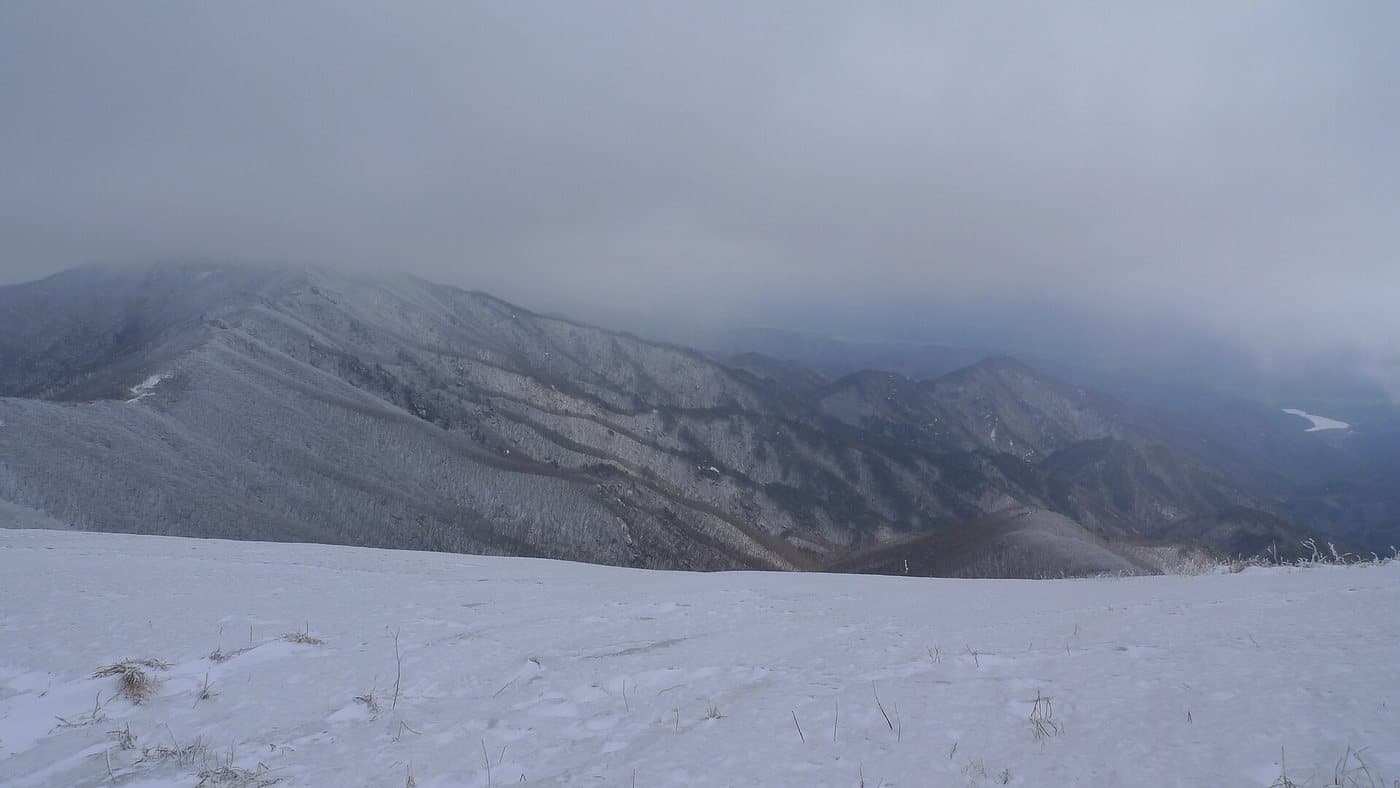
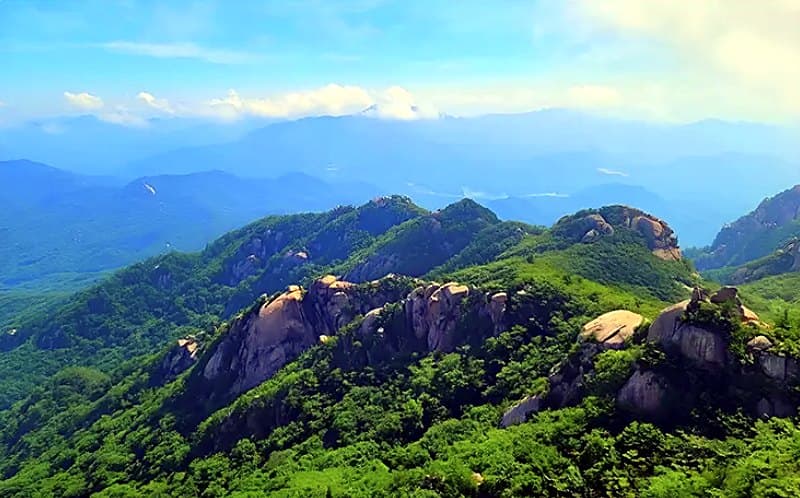
What makes it unusual is the top. Instead of a summit you get several kilometres of rounded, open, grassy ridge above the treeline, which is rare in Korea — most mountains here are wooded to the top or bare rock. Walking along it feels more like the Pennines than the Taebaek range.
That open ground is why the royal azaleas matter. They grow across the ridge rather than in pockets, and because of the altitude they flower at the end of May and into June, when the azaleas everywhere else have long finished. It is the last azalea display of the Korean year.
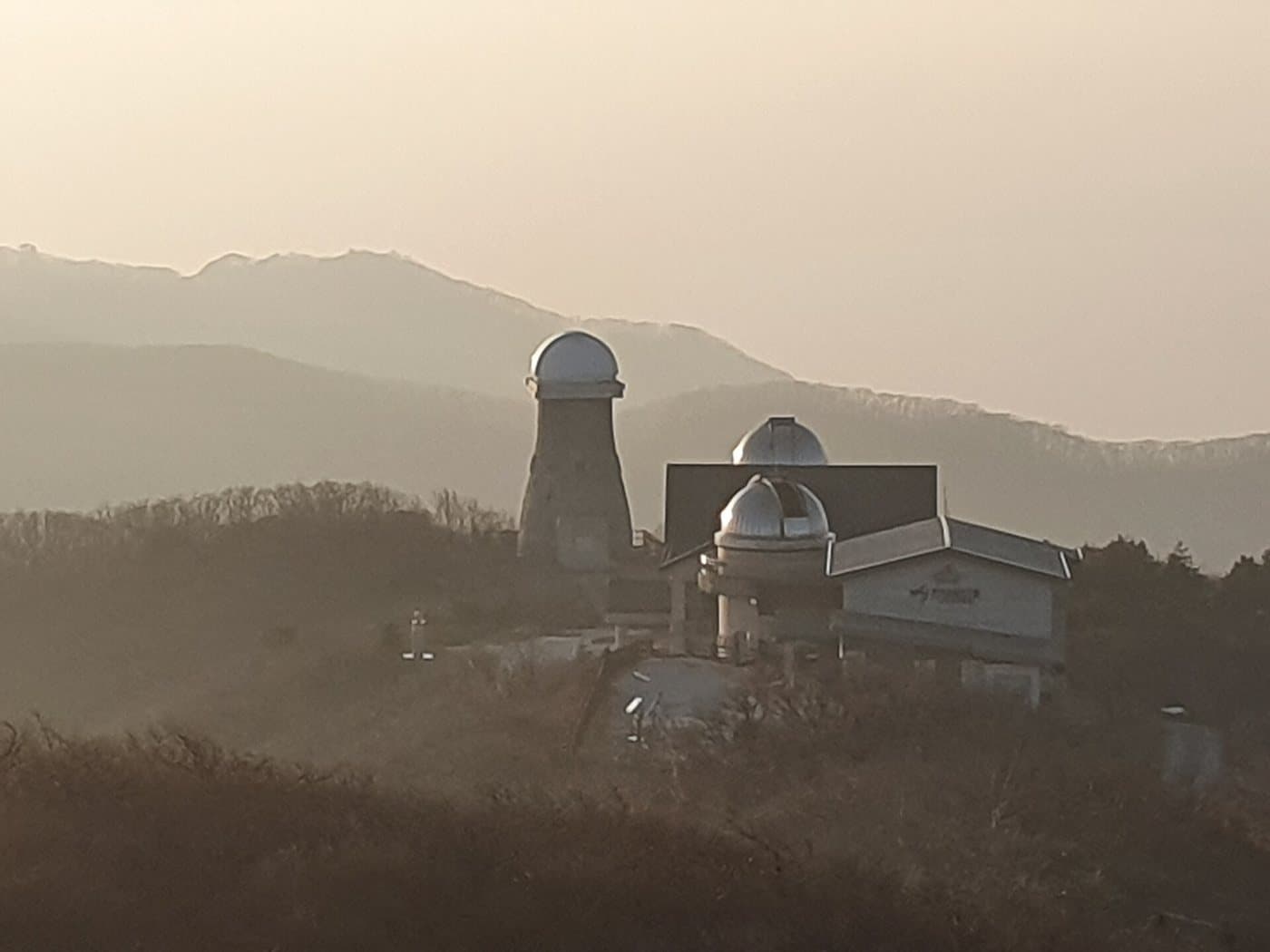
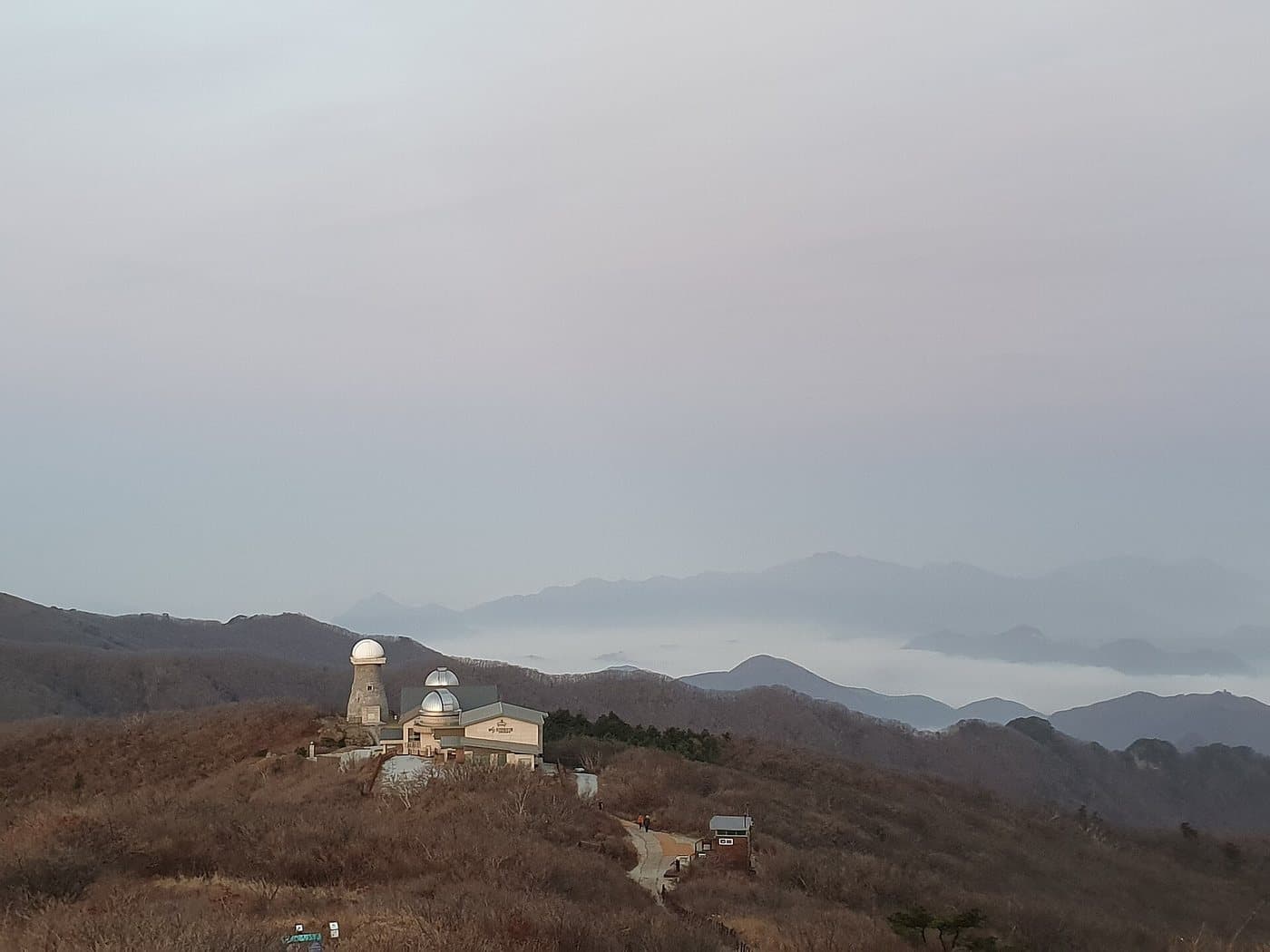
The Sobaeksan Optical Astronomy Observatory sits near Yeonhwabong. It was the first observatory in Korea to install a modern research telescope, and it is still working — you can walk to it, though getting inside needs arranging in advance.