Mountain park · North Gyeongsang
Juwangsan
주왕산국립공원
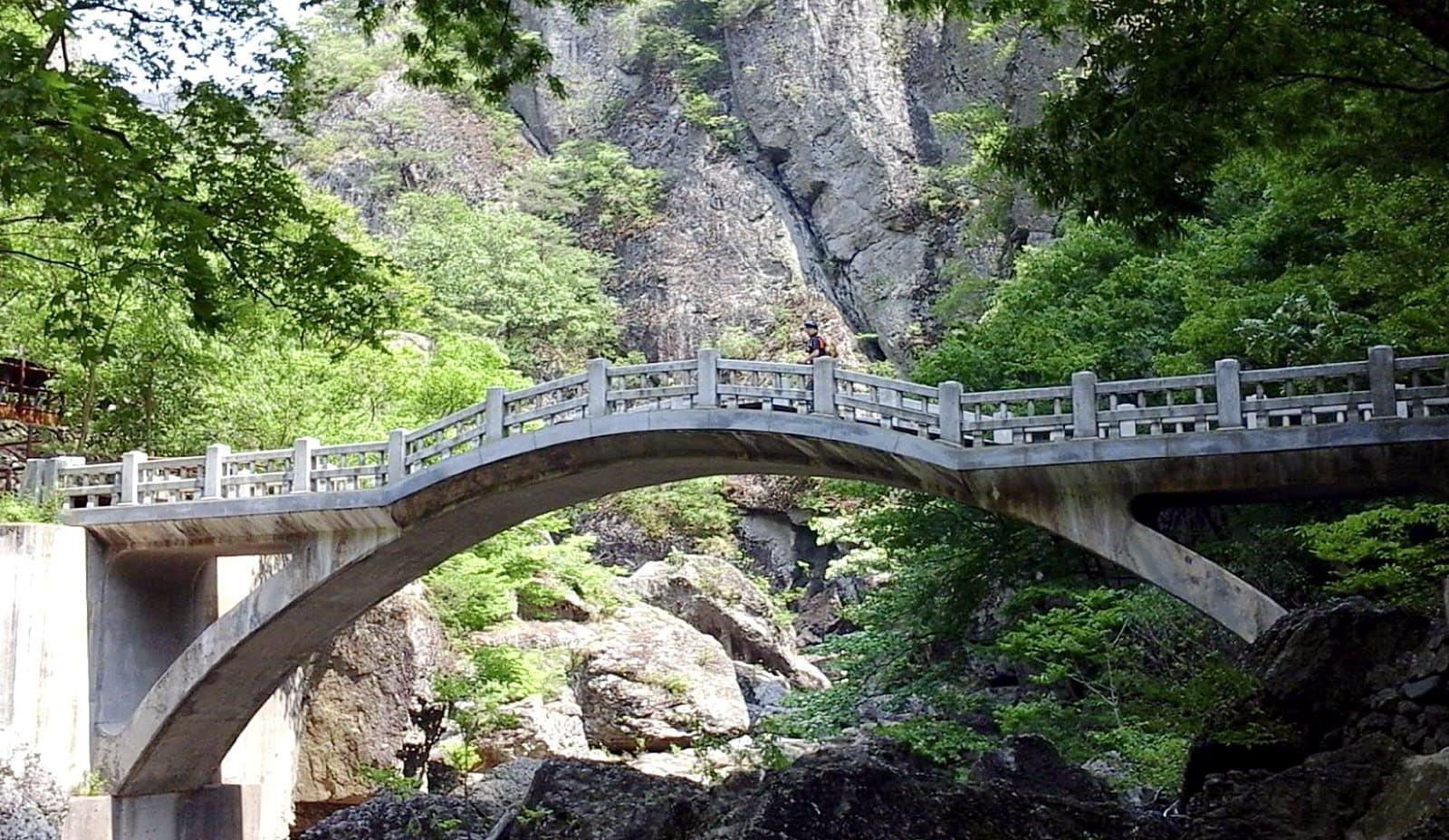
Rock gorges, waterfalls and the reflecting pond at Jusanji.
Juwangsan is modest in height at 721m but dramatic in shape — the walk up the main valley threads between rock walls past a series of waterfalls, on a path that needs no real climbing.
Jusanji, a small reservoir built in 1720 with willows standing in the water, sits a short drive away and is the image most people know the park by.
Getting there from Seoul
Door-to-door estimates for a normal day; they stretch on a holiday weekend. Check the timetable before you rely on a last bus back.
Bus
Express coach from Seoul Dong Seoul to Cheongsong, about 4h, then a short local bus or taxi to the park gate.
Train
No useful line — this is one of the harder parks to reach without a car.
Car
About three and a half hours. Strongly recommended here, because Jusanji is a separate drive from the main valley and there is no bus between them.
Wildlife & plants
Animals
Otters in the stream through the gorge, plus wild boar and roe deer in the surrounding hills. The rock walls hold nesting raptors.
Trees & flowers
Juwangsan is the only place in the world where the Korean nutmeg-yew subspecies Taxus cuspidata var. nana grows wild in numbers, and it is also known for wild rhododendron on the cliffs. The valley floor turns in late October.
Korea’s wildlife is shy and mostly nocturnal — you’re far more likely to see tracks than animals. Wild boar are the one to know about: keep your distance, don’t run, and never get between a sow and her young.
More parks
Mudeungsan
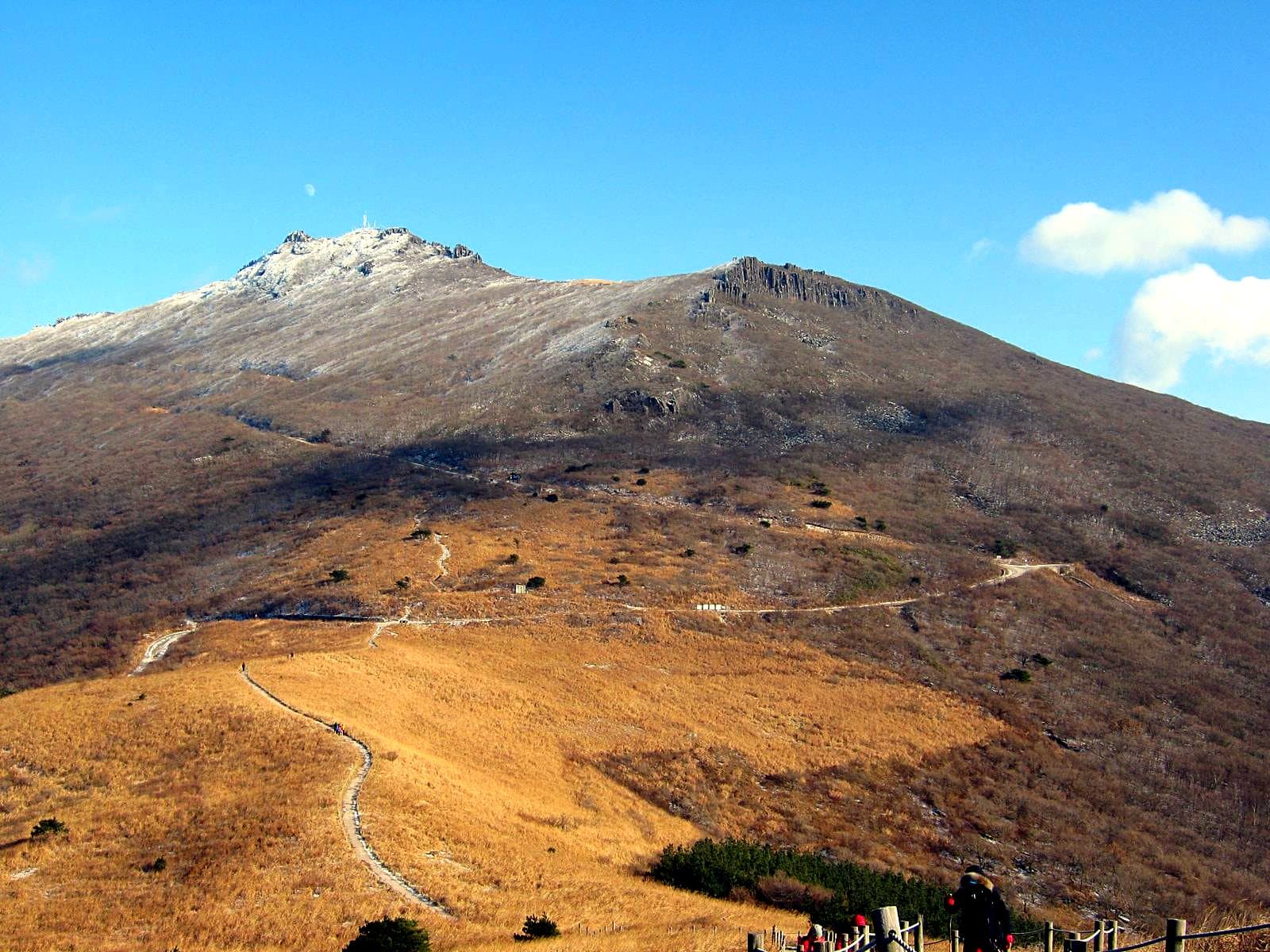
Gwangju's mountain, with columns of volcanic rock along the ridge.

Naejangsan
The country's most photographed autumn maples, in early November.
Odaesan
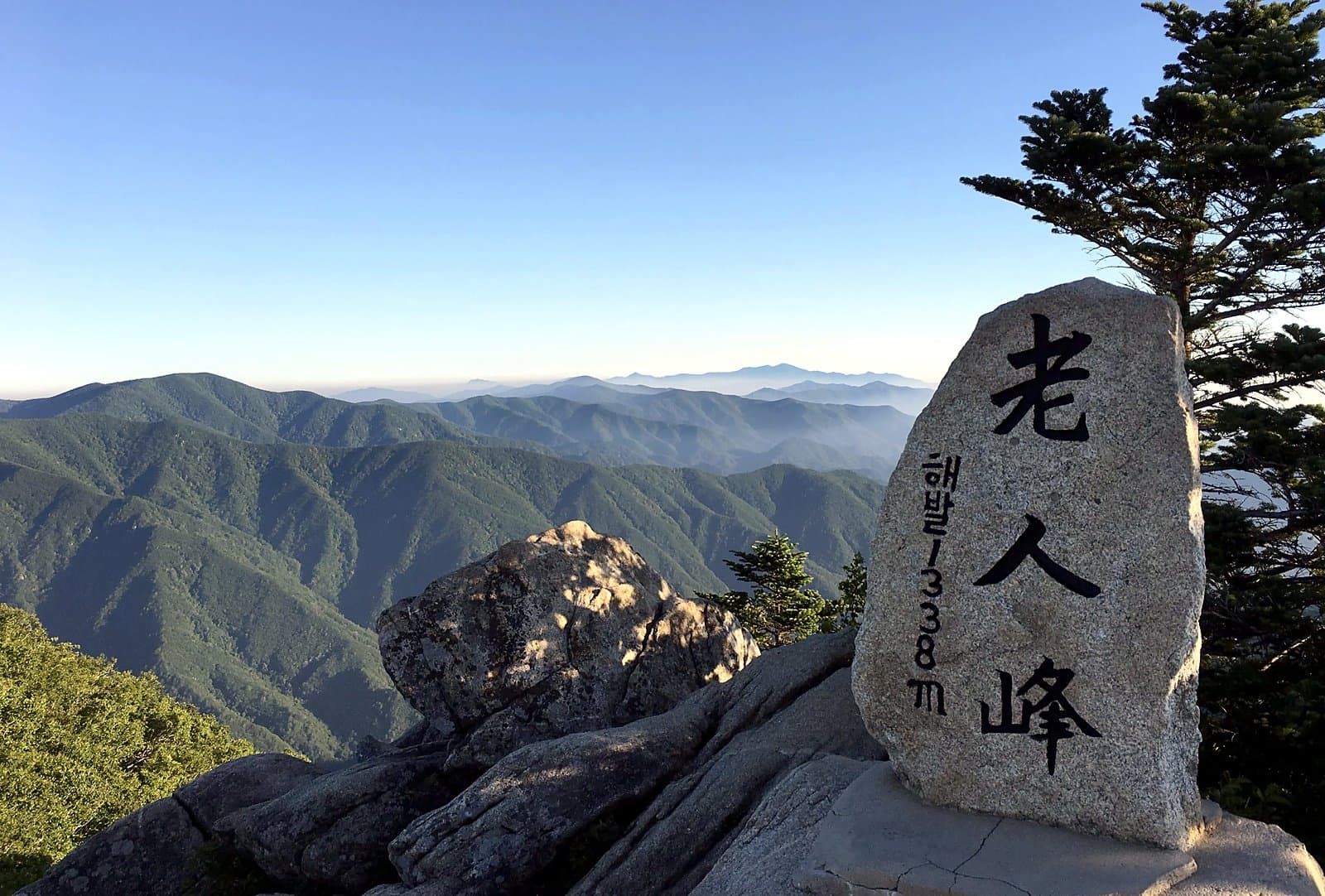
A thousand-metre fir forest and two of Korea's most important temples.