Mountain park · South & North Gyeongsang
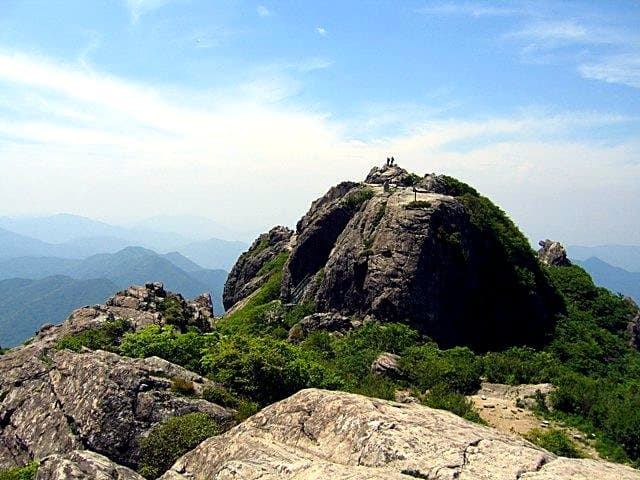
Gayasan
가야산국립공원
Haeinsa temple, and the 80,000 woodblocks of the Tripitaka Koreana.
Gayasan's reason to visit is Haeinsa, which has housed the Tripitaka Koreana since 1398 — over 80,000 carved woodblocks holding the complete Buddhist canon, and the most complete version of it anywhere.
The storage halls that keep them, built in the 15th century and ventilated well enough to have preserved wood for six hundred years, are a World Heritage Site in their own right. Above the temple, trails climb to Sangwangbong at 1,430m.
Photograph by Straitgate, licensed under CC BY-SA 3.0. Resized for this page.
Getting there from Seoul
Door-to-door estimates for a normal day; they stretch on a holiday weekend. Check the timetable before you rely on a last bus back.
Bus
Express coach from Seoul Express Bus Terminal to Haeinsa, about 4h, direct to the temple gate. Coaches also run to Daegu and Goryeong.
Train
KTX to Dongdaegu, about 2h, then a bus to Haeinsa in roughly 1h 30m.
Car
About three and a half hours.
Wildlife & plants
Animals
Wild boar, roe deer, marten. The temple forest is protected and unusually undisturbed, which shows in the birdlife.
Trees & flowers
Old-growth red pine along the Sori-gil path beside the stream — the trees that the woodblock storage halls were designed around. Broadleaf forest higher up, with maple and Korean maple in autumn.
Korea’s wildlife is shy and mostly nocturnal — you’re far more likely to see tracks than animals. Wild boar are the one to know about: keep your distance, don’t run, and never get between a sow and her young.
More parks
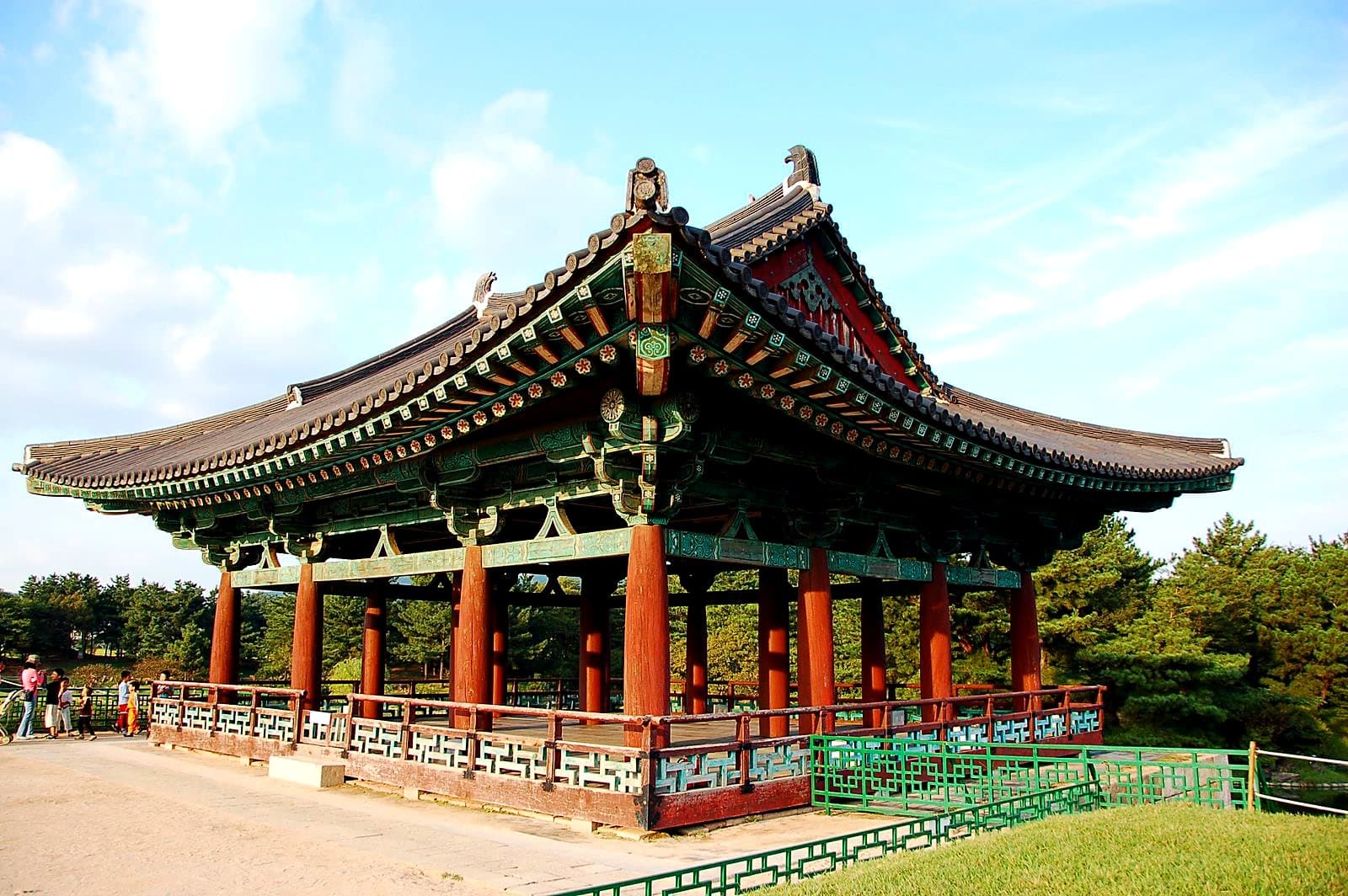
Gyeongju
The only historical national park — a thousand years of Silla, spread across a valley.

Gyeryongsan
A ridge of jagged peaks and old temples on the edge of Daejeon.

Hallasan
The highest mountain in South Korea — a shield volcano with a crater lake on top.