Historical park · North Gyeongsang
Gyeongju
경주국립공원
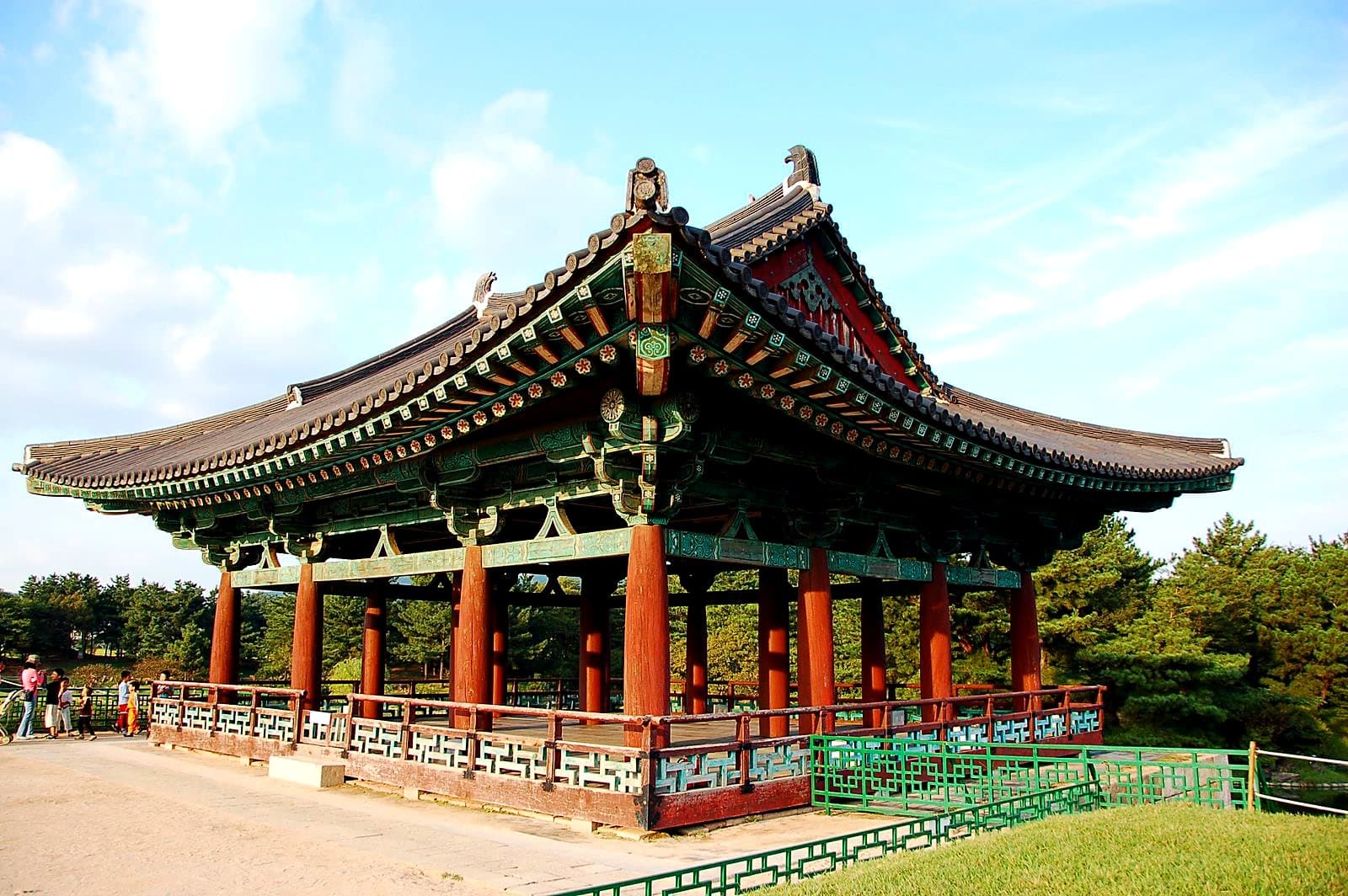
The only historical national park — a thousand years of Silla, spread across a valley.
Gyeongju is the odd one out: a national park designated for what people built rather than what grew there. It was the capital of the Silla kingdom for close to a thousand years, and the royal tombs, temples and palace sites are scattered right through the modern town.
Namsan, the mountain on the southern edge, is the part that feels most like a park — hillsides carved with Buddhist images and dotted with pagodas. Much of the area is inscribed as the Gyeongju Historic Areas World Heritage Site.
Photograph by riNux, licensed under CC BY-SA 2.0. Resized for this page.
Getting there from Seoul
Door-to-door estimates for a normal day; they stretch on a holiday weekend. Check the timetable before you rely on a last bus back.
Train
KTX to Singyeongju, about 2h from Seoul, then a local bus or taxi into town. The easiest of all the parks to reach.
Bus
Express coach from Seoul Express Bus Terminal, around 4h.
Car
About three and a half hours. Gyeongju itself is flat and compact — a bicycle is the better way round once you're there.
Wildlife & plants
Animals
Not a wildlife park in the usual sense. Namsan's woods hold the ordinary residents — squirrels, pheasants, raptors — and the royal tomb parks are full of birds simply because nobody has built on them in a thousand years.
Trees & flowers
Namsan is thick pine forest, and the crooked Korean red pines around the Silla tombs are as photographed as the tombs themselves. Cherry blossom along Bomun Lake in early April is among the best in the country.
Korea’s wildlife is shy and mostly nocturnal — you’re far more likely to see tracks than animals. Wild boar are the one to know about: keep your distance, don’t run, and never get between a sow and her young.
More parks

Gyeryongsan
A ridge of jagged peaks and old temples on the edge of Daejeon.

Hallasan
The highest mountain in South Korea — a shield volcano with a crater lake on top.
Hallyeohaesang
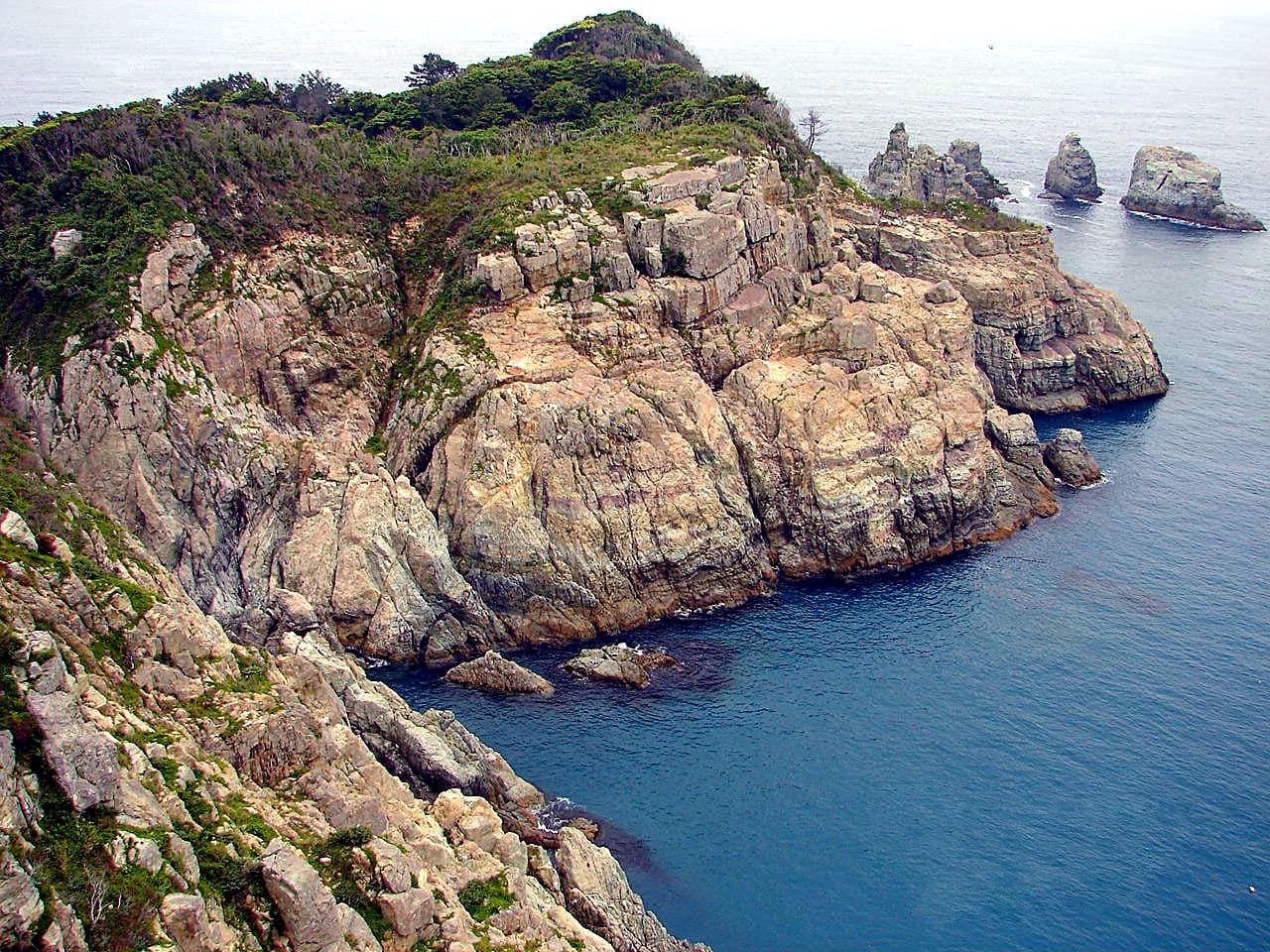
Korea's first marine park, along the south coast from Tongyeong to Yeosu.