
Marine park · North Jeolla
Byeonsanbando
변산반도국립공원
The only park that pairs mountains with a west-coast shoreline.
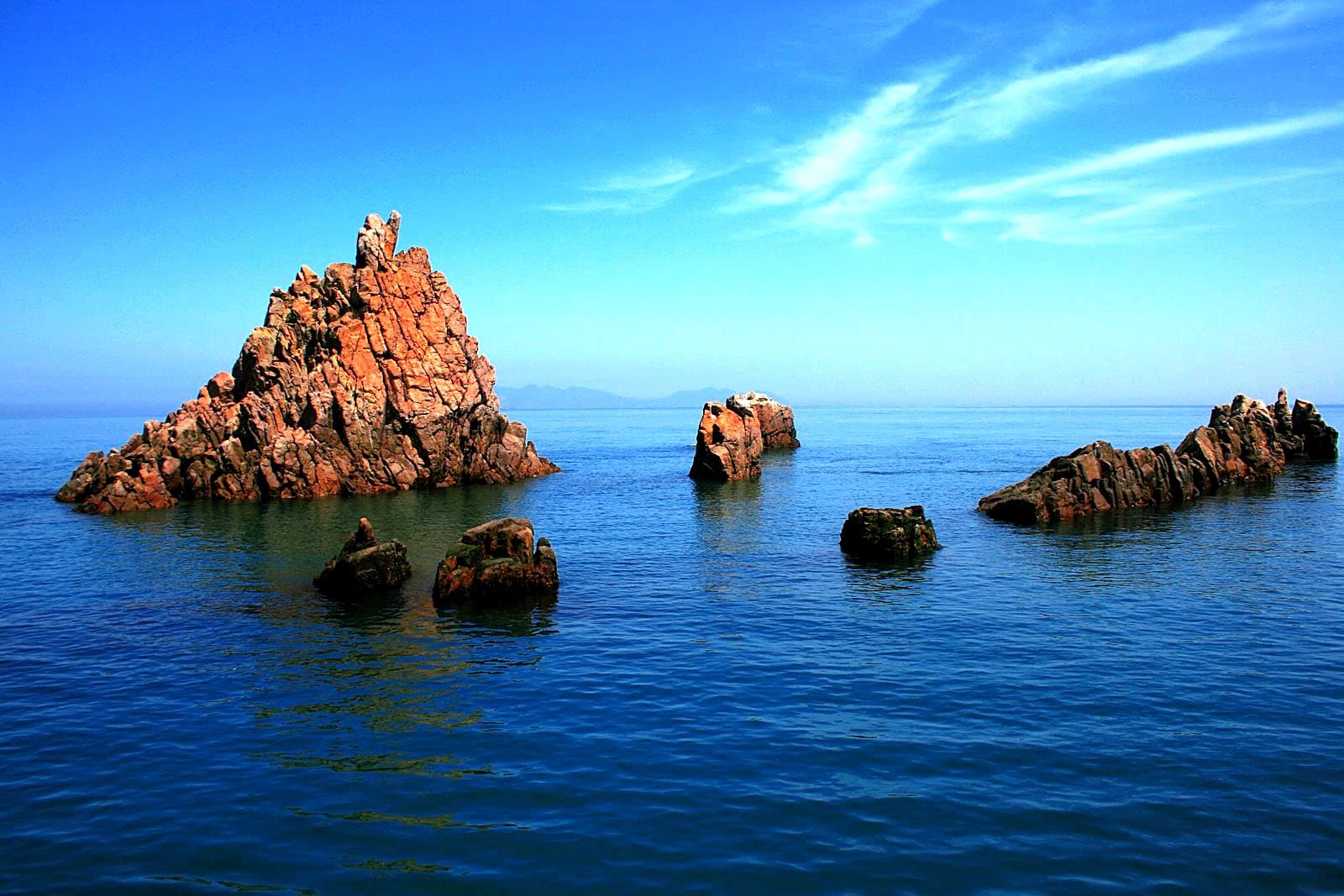
Byeonsanbando is split in two: an inland half of low wooded hills and waterfalls, and an outer half of sea cliffs and tidal flats on the Yellow Sea.
Naesosa, approached under an avenue of fir trees, is the temple to see, and Jikso waterfall is the walk most people do.
Photograph by Mailzzang+aus, licensed under CC BY-SA 3.0. Resized for this page.
Getting there from Seoul
Door-to-door estimates for a normal day; they stretch on a holiday weekend. Check the timetable before you rely on a last bus back.
Bus
Express coach from Seoul Central City to Buan, about 3h, then a local bus to Naesosa or the coast.
Train
KTX to Jeongeup, then a bus west to Buan — about the same total time.
Car
Around three hours. The coastal road round the peninsula is the point of driving here.
Wildlife & plants
Animals
The tidal flats and the Gyehwado area draw large numbers of migrating waders. Otters use the streams inland, and the woods hold roe deer and boar.
Trees & flowers
The fir avenue at Naesosa is the best-known planting, around 600m of trees. Inland, old broadleaf forest; on the coast, salt-tolerant scrub and pine.
Korea’s wildlife is shy and mostly nocturnal — you’re far more likely to see tracks than animals. Wild boar are the one to know about: keep your distance, don’t run, and never get between a sow and her young.
More parks

Chiaksan
Steep, quiet and hard work — a hiker's mountain near Wonju.
Dadohaehaesang
The largest national park in Korea — an archipelago of hundreds of islands.

Deogyusan
A long, gentle ridge at 1,600m — and the easiest big summit in the country.